

Embarking on a journey to healthier, fuller hair often begins with a focus on the scalp. Just like the soil nurtures a plant, your scalp is the foundation for strong, vibrant hair. Many ingredients promise to revitalize this crucial area, but few have garnered as much attention as rosemary oil. However, when it comes to enhancing a rosemary-based formula, two potent essential oils often come to mind: peppermint and tea tree. Understanding the distinct properties of these two powerhouses is key to finding the ideal solution for your unique scalp needs. This guide will help you navigate the nuances of peppermint vs tea tree scalp benefits, empowering you in choosing the best rosemary growth oil that truly speaks to your hair's requirements.
For beginners delving into the world of scalp care, the array of options can be overwhelming. The good news is that by understanding the core functions of key ingredients, you can confidently select products that offer tailored solutions for itchy flaky scalp concerns and promote robust hair growth. Whether you seek the invigorating tingle of peppermint or the purifying clarity of tea tree, your ideal rosemary hair growth oil is within reach.
The Foundation: Why Rosemary Oil for Hair Growth?
Rosemary (Rosmarinus officinalis) has been celebrated for centuries, not just in culinary arts, but also in traditional medicine and beauty rituals. Its recent surge in popularity within the hair care community is backed by a growing body of scientific interest highlighting its potential benefits for hair growth and scalp health [5, 9, 12]. When we talk about choosing the best rosemary growth oil, we're tapping into a rich history of natural wellness.
So, what makes rosemary oil such a compelling ingredient for hair care? Research suggests that rosemary oil may stimulate blood circulation in the scalp [9]. Improved circulation means that more nutrients and oxygen can reach the hair follicles, which are the tiny organs responsible for producing hair strands. This enhanced nourishment can help to strengthen existing hair and encourage new growth [6, 8]. Studies have indicated that rosemary oil might even help extend the anagen, or growth, phase of the hair cycle, leading to longer, stronger hair over time [6]. Furthermore, compounds found in rosemary, such as carnosic acid, are being investigated for their therapeutic potential in conditions like alopecia, a common form of hair loss [4]. While some consensus reports have noted that rosemary oil may not be universally recommended for all types of hair loss, such as androgenetic alopecia, in all contexts [2], its general benefits for scalp health and stimulating hair follicles remain a subject of promising research and widespread use [3, 5, 6, 7, 8, 9, 12]. It's a versatile botanical that forms an excellent base for a comprehensive hair growth formula.

Beyond Rosemary: The Power of 8-Oil Formulas & Biotin-Castor Strengthening
While rosemary oil lays a strong foundation, the magic of many effective hair growth solutions often lies in a synergistic blend of ingredients. An "8-oil formula" refers to a carefully curated mix of various natural oils, each contributing unique benefits to hair and scalp health. These additional oils often act as carrier oils, helping to dilute and deliver potent essential oils like peppermint or tea tree safely and effectively. They also bring their own nourishing properties, such as deep hydration, frizz control, and enhanced shine. Common carrier oils like jojoba, grapeseed, and black sesame are rich in vitamins, antioxidants, and fatty acids that protect the hair shaft and maintain scalp moisture.
Integral to many of these comprehensive formulas are biotin castor strengthening formulas. Biotin, a B-vitamin, is a well-known ally for hair health. It plays a crucial role in the production of keratin, the primary protein that makes up your hair, skin, and nails. Adequate biotin intake and topical application can contribute to stronger, more resilient hair strands, helping to reduce breakage and improve overall hair density. Castor oil, another star ingredient, is celebrated for its rich concentration of ricinoleic acid, an omega-9 fatty acid. This unique compound is believed to help stimulate circulation to the scalp and also possesses moisturizing properties that can hydrate both the scalp and hair. Together, biotin and castor oil work to fortify hair from the root, promoting a healthier environment for growth and contributing to thicker, more robust hair [6, 12]. When combined with rosemary and a selection of other beneficial oils, these ingredients create a powerful elixir designed to nourish, strengthen, and revitalize your hair from root to tip.
Deep Dive: Peppermint vs. Tea Tree Scalp Benefits
Now, let's get to the heart of the matter: differentiating between the unique advantages of peppermint and tea tree oil when integrated into a rosemary hair growth formula. Both offer distinct benefits, making the choice truly dependent on your individual scalp concerns.
Peppermint: The Invigorating Choice
Peppermint oil is renowned for its signature cooling sensation and refreshing aroma. This invigorating effect isn't just pleasant; it signals increased activity at the scalp level. The menthol in peppermint oil is believed to be a vasodilator, meaning it can help to widen blood vessels and improve blood flow to the scalp [10, 11]. Enhanced circulation is vital for hair growth, as it ensures that hair follicles receive an optimal supply of nutrients and oxygen, which are essential for robust hair production [14]. Studies have shown that peppermint oil can induce a rapid anagen (growth) stage, leading to a significant increase in dermal thickness, follicle number, and follicle depth [14]. This makes it an excellent choice for those looking to stimulate growth and awaken dormant follicles.
Beyond its growth-boosting potential, peppermint oil is also a fantastic ingredient for itchy scalp relief. Its cooling sensation can provide immediate comfort to an irritated or itchy scalp, while its anti-inflammatory properties may help soothe underlying irritation [10]. Some research also suggests that peppermint oil, alongside tea tree oil, possesses antimicrobial properties that can be effective against certain fungi that cause scalp infections, contributing to overall scalp health [15]. If you crave a stimulating, cooling sensation and suffer from an itchy scalp, a peppermint-infused rosemary oil could be your ideal match.

Tea Tree: The Purifying Powerhouse
Tea tree oil, derived from the Australian melaleuca tree, is a potent essential oil celebrated for its purifying and clarifying properties. Its strong, medicinal aroma hints at its powerful antimicrobial and antifungal capabilities, making it a cornerstone in the fight against various scalp issues [12, 15]. For individuals struggling with persistent flakes and an oily scalp, tea tree oil offers a targeted solution.
One of the most significant benefits of tea tree oil is its effectiveness in anti-dandruff scalp treatment comparison. Dandruff is often caused by an overgrowth of yeast-like fungi on the scalp, and tea tree oil's antifungal properties can help to rebalance the scalp microbiome, reducing flakes and itchiness [15]. It also has powerful cleansing properties that can help to unclog hair follicles by removing excess oil, dead skin cells, and product buildup, creating a cleaner, healthier environment for hair growth. This purifying action can also help balance oil production, which is crucial for those with excessively oily scalps. Furthermore, tea tree oil has been used to manage conditions associated with microscopic mites (Demodex) that can sometimes contribute to scalp irritation and hair follicle issues, highlighting its deep cleansing and clarifying potential [16, 18]. While tea tree oil is generally well-tolerated, it's worth noting that it can be a contact allergen for some individuals, emphasizing the importance of patch testing [17]. If your primary concerns are dandruff, flakes, scalp purification, and balancing oiliness, a tea tree-infused rosemary oil is likely the purifying powerhouse you need.

Choosing Your Champion: Tailored Solutions for Your Scalp Needs
Ultimately, the decision between peppermint and tea tree in your rosemary hair growth oil comes down to understanding your scalp's unique language. Are you constantly battling an itchy, sometimes dry scalp that craves a refreshing burst of relief and stimulation? Or is your scalp prone to flakes, excess oil, and a feeling of being less than clean, demanding a purifying, clarifying intervention?
For those who desire an invigorating, cooling sensation, experience frequent itchiness, or want to actively stimulate blood flow to foster hair growth, a peppermint-enhanced formula offers an energizing approach. It's designed to refresh and revitalize.
Conversely, if your main challenges include dandruff, persistent flakes, scalp irritation, or an oily scalp that needs rebalancing, a tea tree-infused formula provides a powerful purifying and clarifying solution. It's crafted to cleanse and restore harmony.
Remember, choosing the best rosemary growth oil is a personal process. There are no one-size-fits-all answers, only tailored solutions for itchy flaky scalp and other concerns. By listening to your scalp and identifying its specific needs, you can select the essential oil that will complement your rosemary oil base most effectively, paving the way for a healthier scalp and more beautiful hair.
Product Spotlight: Rosemary & Castor Hair Growth Oil Collection
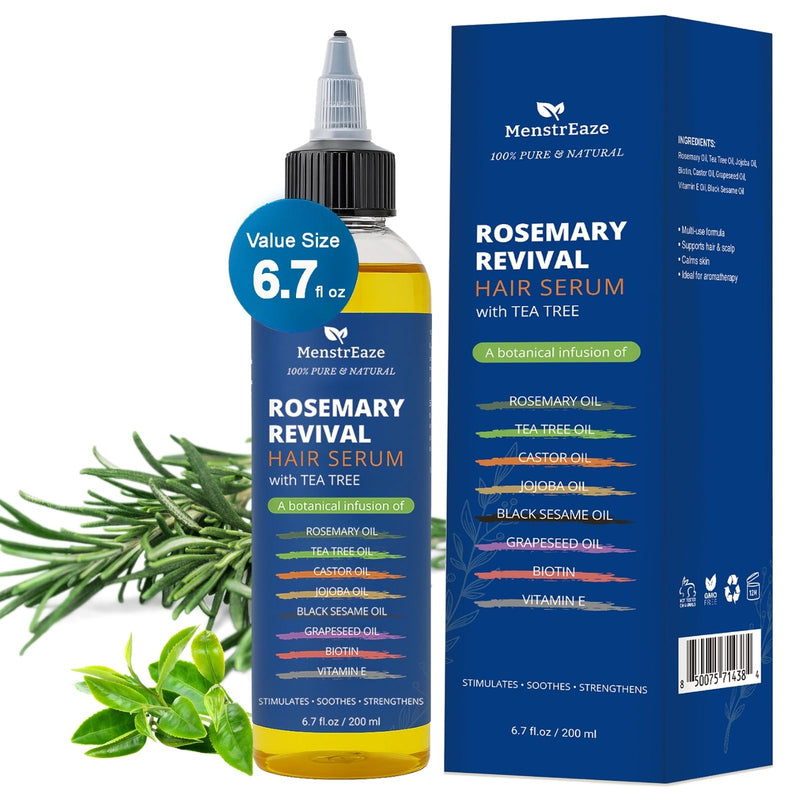
For those seeking to implement these insights into their hair care routine, the Rosemary & Castor Hair Growth Oil Collection offers expertly crafted formulas designed to support healthier, fuller hair from root to tip. Each 6.7 fl oz bottle in this collection is built upon an 8-oil powerhouse blend, including rosemary, castor, jojoba, grapeseed, black sesame, and vitamin E, further enriched with biotin for strength, hydration, and shine. This comprehensive blend delivers potent nourishment and frizz control, promoting long-term resilience for all hair types.
The collection offers two distinct options to cater to specific scalp needs:
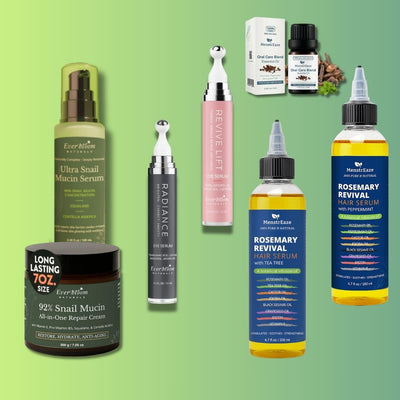
- Rosemary & Castor Hair Growth Oil with Peppermint & Biotin: This option is best for those experiencing an itchy scalp, seeking cooling refreshment, and desiring a circulation boost. The peppermint oil refreshes the scalp and provides relief from itchiness, while the biotin and seven other oils work to strengthen roots, reduce shedding, and encourage fuller regrowth. It soothes dandruff and dryness, leaving the scalp feeling revitalized. This lightweight, fast-absorbing formula includes an adjustable scalp applicator for precise, mess-free use and is infused with helichrysum for calming aromatherapy. It's your go-to for invigorating itch relief and growth support.
- Rosemary & Castor Hair Growth Oil with Tea Tree & Biotin: Ideal for individuals focused on dandruff control, scalp purification, and enhancing long-term resilience. The tea tree oil purifies the scalp and actively helps fight dandruff, flakes, and itchiness. Alongside biotin and the seven other oils, it encourages thicker, healthier growth and strengthens roots. This formula is designed to soothe scalp irritation while balancing oil production. It's a lightweight, easy-to-rinse option with a convenient scalp applicator and also features helichrysum for a soothing experience. Choose this for comprehensive scalp purification and anti-dandruff benefits.
Both formulas share core features such as an 8-Oil Blend with Biotin for maximum potency, a generous 6.7 fl oz value size, an adjustable scalp applicator, and a lightweight, fast-absorbing texture suitable for all hair types. They are also vegan, non-GMO, paraben-free, and cruelty-free, aligning with conscious beauty practices. These products provide effective biotin castor strengthening formulas and are designed as tailored solutions for itchy flaky scalp or those needing purification, making choosing the best rosemary growth oil straightforward based on your personal needs.

How to Integrate into Your Routine
Incorporating a new hair growth oil into your routine should be a gentle process. Always perform a patch test on a small area of skin before widespread use to check for any sensitivities, especially with essential oil blends. To use, apply the oil directly to your scalp and roots using the provided applicator, then massage gently to boost absorption and circulation. You can leave it on for at least 30 minutes before washing, or for a more intensive treatment, leave it overnight. For best results, aim to use the oil 2-3 times per week on damp or dry hair. Remember, these oils are for external use only; avoid contact with eyes. If you are pregnant, nursing, on medication, or under 18, it's advisable to consult a healthcare provider before use.
Conclusion: Nurturing Your Scalp for Healthy Hair
The journey to vibrant, healthy hair is deeply intertwined with the health of your scalp. By understanding the unique strengths of peppermint and tea tree oils, you are better equipped for choosing the best rosemary growth oil that aligns with your specific needs. Whether you opt for peppermint's invigorating zest to combat itchiness and stimulate growth, or tea tree's purifying power for dandruff and scalp clarity, both offer powerful enhancements to a robust rosemary and castor oil base. Embracing a personalized approach to scalp care with these potent natural ingredients can unlock your hair's full potential, leading to a healthier, more beautiful mane.